Norway's Wildlife
If you go into Norway's forests, or the fjords, mountains, or well, anywhere for that matter, you're going to find wildlife. Norway has many plants and animals in Norway. From Polar Bears, to Wolves, to Oxen and goats, they have them all. You may even want to get a few photos on the wa,y or be looking closely for ant hiding animals. Along with terrestrial animals, Norway also has its fair share of aquatic animals too. Norway has whales of all shapes and sizes, like orcas, blue whales, and humpbacks. Norway has a large abundance of fish like salmon or atlantic cod, halibut, and the invasive king crab, Norway's got it all. Along with animals, Norway also has plants that are unique as well. Norway has a lot of perennial flowers, meaning they last all year. These include purple foxglove, Lily of the valley, or alpine plants like the pincushion plant. There is the swedish cornel, a native wildflower plant in the dogwood family, with white petals and black and white centers where the seeds and pollen are, with bright green leaves extending outward in spirals. The Swedish cornel is a seasonal plant, only blooming and growing from late May to early October before they die and then grow again. Norway has another beuatiful flower, the Solidago virgaurea; European Goldenrod. It is native to Norway, with thin petals growing out in bunches with golden centers of pollen, the the top only being populated with flowers, the rest being a thick stem. It is a perennial, growing all year, but it is most common and grows largest in late April through late November.
Wildlife
Now with the Main introduction out of the way, we can get to the meat and potatoes here. There is a lot to go through, but I will cherry pick a few of the most interesting wildlife in Norway. From flowers and berries, to predators and prey you will see a bit of both.
- Moose(Alces alces)
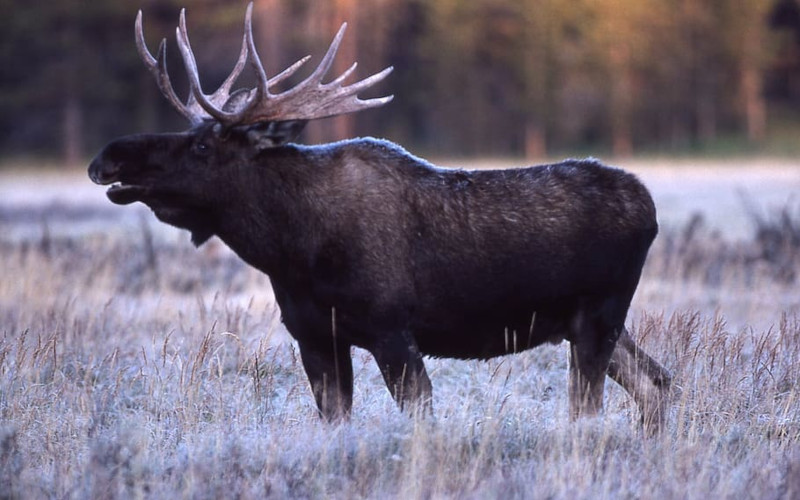
- The moose is like a gaint deer. The moose, despite its size and ample antlers is an herbivore only, and prefers to just run. Moose are in the same family as deer; Cervidae, and have flat, large shovel like antlers, and very tall legs. Moose stand at an average, 6.5 to 5.5 feet tall at the shoulder, and weigh around 800, to 1,600 pounds of weight, but the average is around 1,100 to 1,300. Moose eat about 60 pounds of leaves a day. Along with leaves, moose also eat herbs, twigs, buds, bark off of trees like aspen and birch to sustain them. Moose drink about 2.6 to 3.6 gallons of water a day to stay hydrated at a healthy amount. Interestingly enough, moose shed their antlers when they grow too large. Since antlers are just bone growths, when they fall they serve as a massive source of calcium to animals, and goes back into the soil for plants.
- Musk oxen
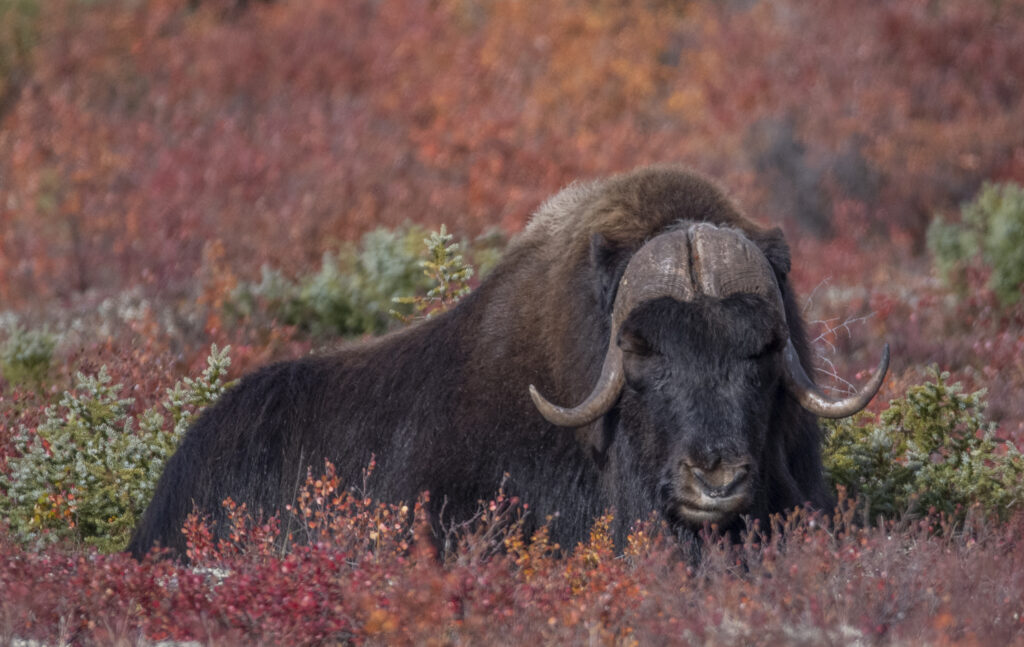
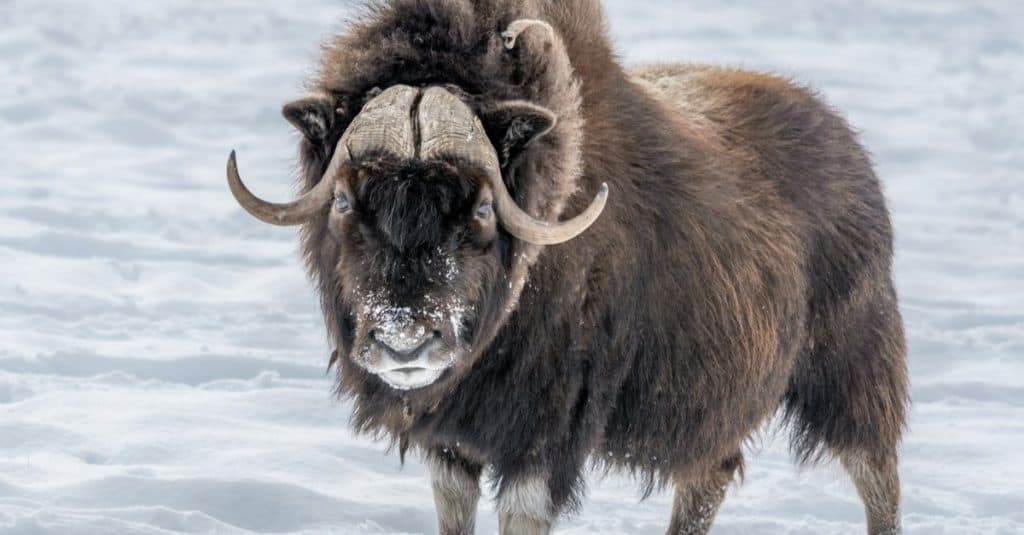
- The musk ox lives in frgid falls and freezing winters, and very mild summers and springs. They are in the Bovidae family, closely related to goats amd sheep rather than cattle, surprisingly. Similarly to moose, musk oxen are gentle giants to the most part. They are herbivores, eating lichen, grasses, sedges, willow, plants, and mosses. They do fight however. Given their large horns, if they compete with a female they fight until one runs away or one dies. In older bulls, the horns can grow to a massive two feet, with sharp points. Musk oxen contribute to Norway's environment by primarily eating the majortity of dominant growing plants, allowing for biodiversity to occur. Musk oxen in the winter, when digging for lichen in the snow dig up lots of leaf and bush litter, preventing it from building up very high in forests.
- European Goldenrod
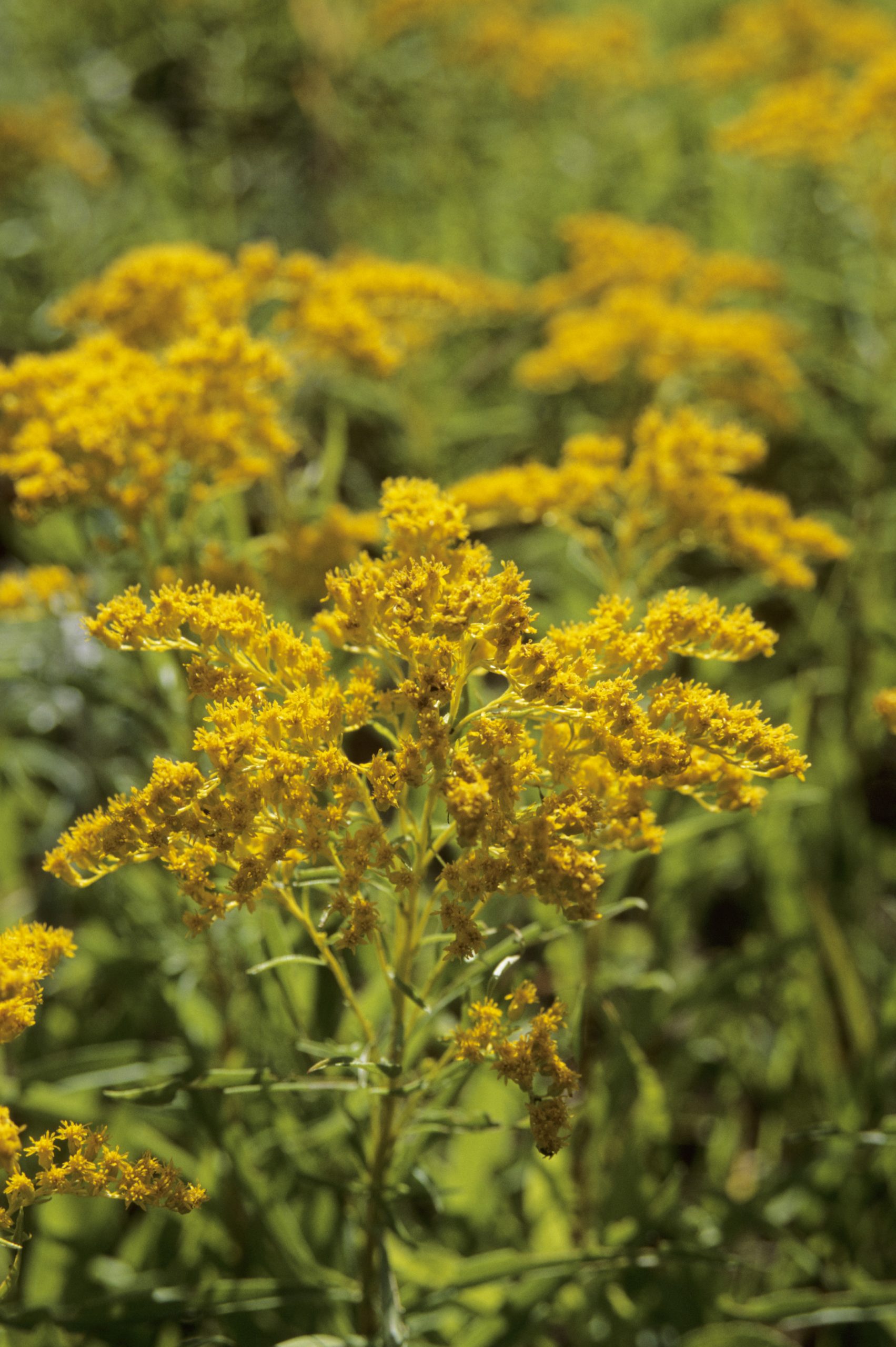
- The European Goldenrod is a perennial flower, but grows most in April through November. It grows in large and many bunches of petals and pistils, a bright yellow. It actually has a medicinal use. It has astringent properties, which constricts body tissue. It is diuretic and Antiseptic, killing bacteria, though it isnt used much anymore due to modern medicine practices.
- Swedish Cornel
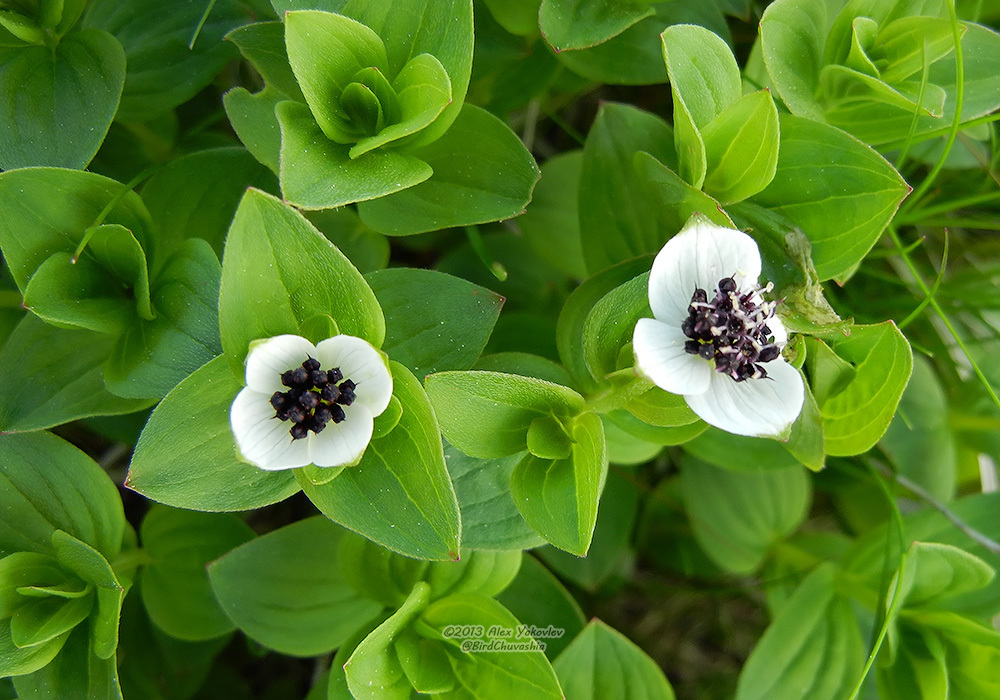
- Cornus Suecia, the Dwarf cornel, or Bunchberry is a flowering plant in the Dogwood family, Cornacae, is native to Europe, Asia, and North America in cool, temperate conditions. It grows berries which are edible, and the flower itself is edible as well, but has been described as mostly flavorless, and has little to no nutririon. The berries however, are rich in pectin and are used in jams and jellies and desserts traditionally, meaning you probably won't find it in your local grocery store.
- Polar Bear
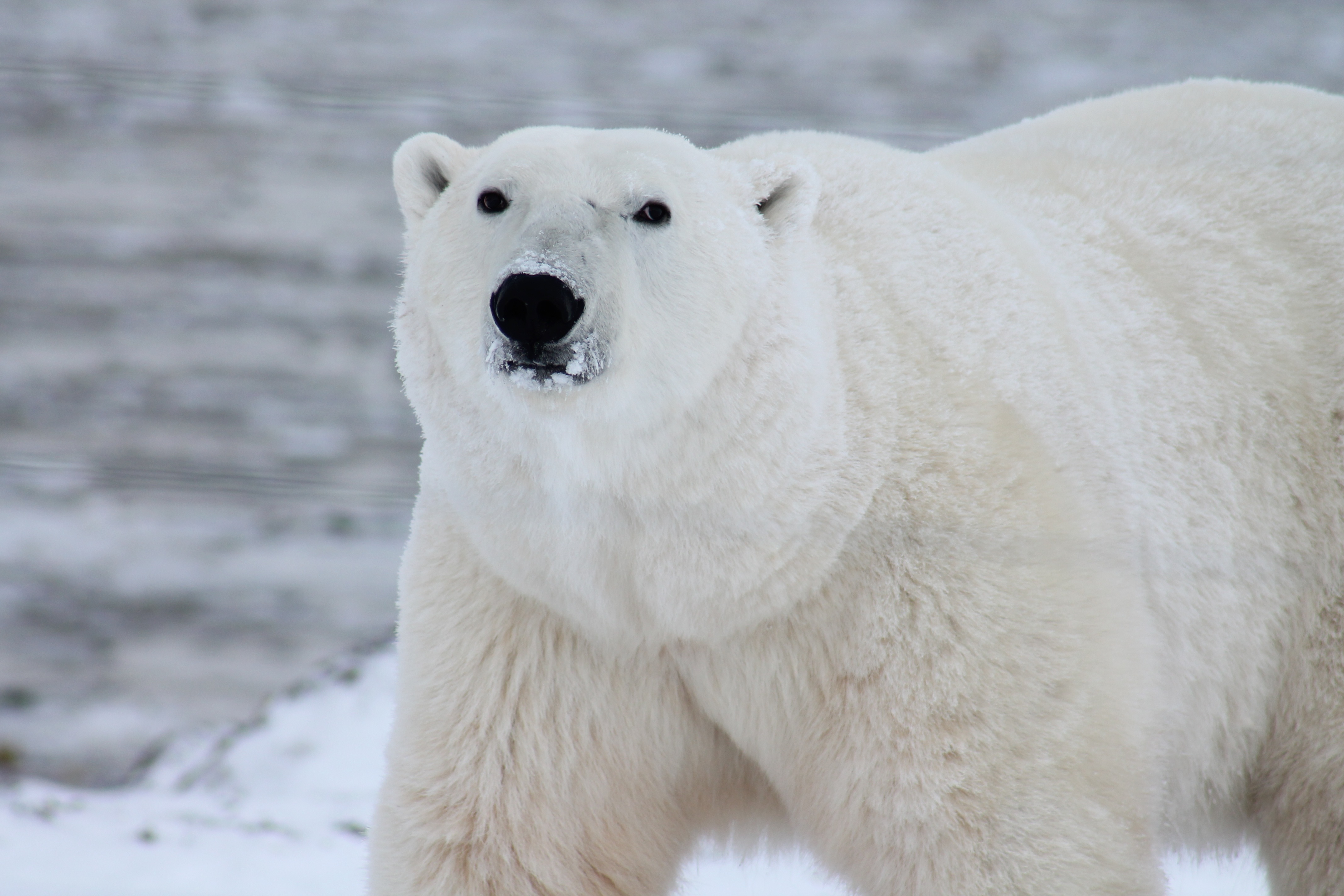
- The polar bear is one of the largest bears in the world, being native to the arctic and coldest conditions. It survives these conditions with very dense, thick fur strands and a thick layer of fat. It gets most of its fat by eating seals, which have a large, tough layer of blubber. It also consumes atlantic cod and atlantic salmon, and weigh around 650 pounds, but males go up to 1,300! Polar bears contribute to the ecosystem by leaving behind cracasses of seals or fish, which scavengers consume.
- Eurasian Brown Bear
- The Eurasian brown bear is a brown bear in you guessed it: Europe and Asia. Its pelt ranges from red brown, to grizzly brown, to nearly black. They have very dense fur, and go up to 300 pounds, and a max of around 400-500. Eurasian Brown bears eat nuts, insects, berries, birds and small mammals, and occassionally fish, and like the stereotype for bears: They take down bee nests and eat the bees and the honey. Stingers and all. They eat honey especially in winter to gain fat before it goes to full snow.
- Atlantic Salmon
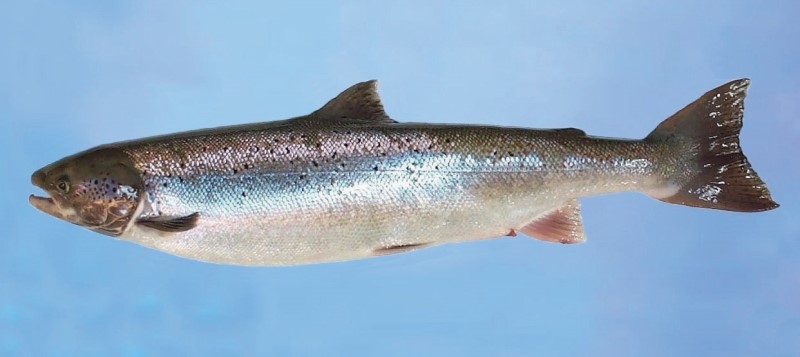
- Atlantic salmon are very interesting animals. They are part of the salmonidae family with all other species of salmon and similar fish. Atlantic salmon have a varied diet, eating capelin, herring, sand eels, and krill, meaning they are primarily carnivores. Along with adults and young animals, they also consume larvae of animals. Atlantic salmon can swim upstream, and they live in cold, clean freshwater rivers, streams, and freshwater bodies of water. Atlantic salmon benefit the ecosystem in many ways, whether when they die and release nutrients into the ecosystem as they rot or get eaten, they are a food source for bears, seals, and birds, and they are a keystone to those animals, if they all died bears and especially seals and birds are at massive risk of extinction. They shape the habitat for others, digging into riverbeds, pond beds and lake beds to lay eggs, moving soil from one place to another, and stirring up dormant nutrients in the water for clams, mussels and barnacles. Atlantic salmon always mate in the river/area they were born in, which is an interesting inherited behavior. Unlike pacific salmon, which die after mating, Atlantic salmon(if they live long enough) can spawn several times in their life.
- Humpback Whale
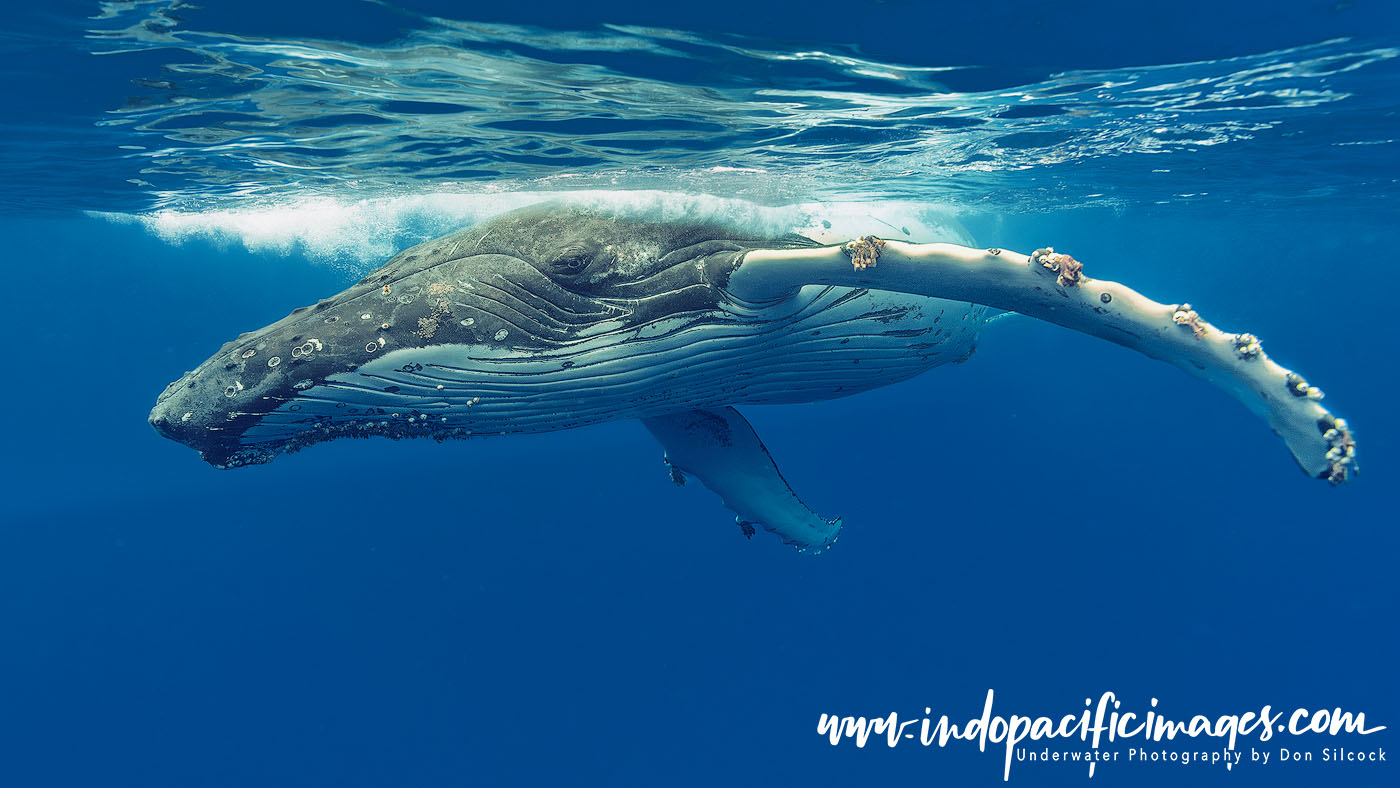
- Humpback whales are, of course, part of the Rorquals family of animals. They are big, black and white, sometimes dark blue animals with large backs that barnacles love to stick to for easy feeding and transportation; an excellent example of a commensalist relationship in the wild. They eat krill with special brush-like teeth that filter the water and suck in krill. Along with krill, they eat tiny school fish like herring, anchovies or even cod on some occasions. They eat an absolutely massive ~3000 pounds of food daily. For reference, we eat 3-5 pounds a day. That’s almost 1000 times the difference in food daily. Whales affect the ecosystem positively by stirring up nutrients in lower depths of the ocean to the higher layers when they dive under for feeding, and the same goes for when they go to lower nutrient dense areas for breeding.