Prehistoric Settlement
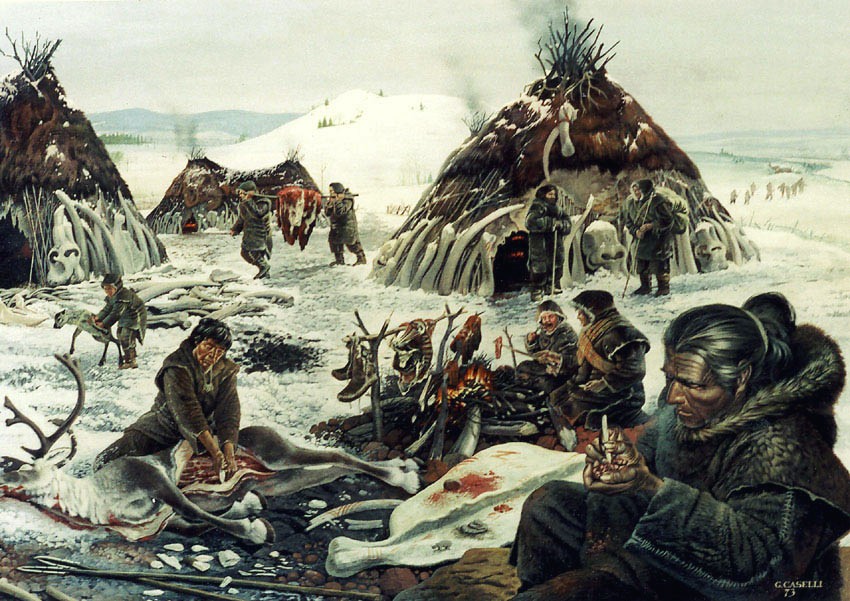
Around 8,000BC to 10,000BC, nomadic hunter gatherers that had already developed tools and basic shelters arrived from Inland Europe or by following Ice sheets along coastal Europe. Later on, they began to settle and develop agriculture with available plants to survive winter, and domestication of animals also began, and they developed slate stone tools, which are a direct upgrade as slate can be sharpened better than flint. This mostly happened around Oslofjord, though, other areas remained hunter gatherers. In the Bronze age, their culture had developed enough to allow longhouses and permanent year-round farming. The iron age came, and they had enough time for advanced language to come, and mythologies and religion came to explain natural events and occurences, and this led to the viking age as villages began having local chieftains, or rulers.
The Viking Age
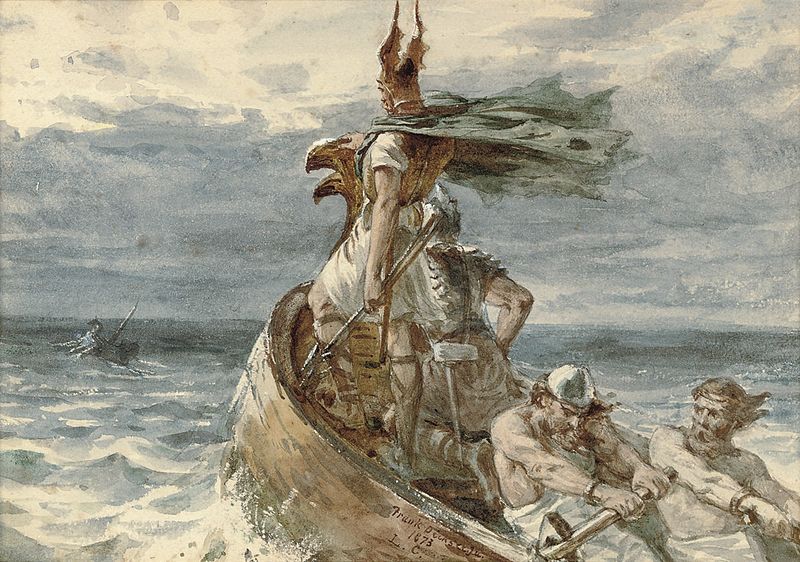
The Viking age is Norway's most formative age, leadin to their modern culture. It is also Norway's most well known age. It was full of maritime expansion, as the People of Norway became obsessed with Conquering lands and exploring Europe. They would most often raid and pillage, but there have also been examples of Norway actually peacefully trading with other civilizations. Norway was able to do all this raiding because they had learned how to make superior, fast and sturdy ships that could hold a lot of men, and keep momentum. Norsemen colonized Iceland and Greenland, and some parts of North America, and actually became incredibly unified under widespread Christianity and under a large kingdom, forming a very strong society at its core.
The Middle Ages and the Black Plague.
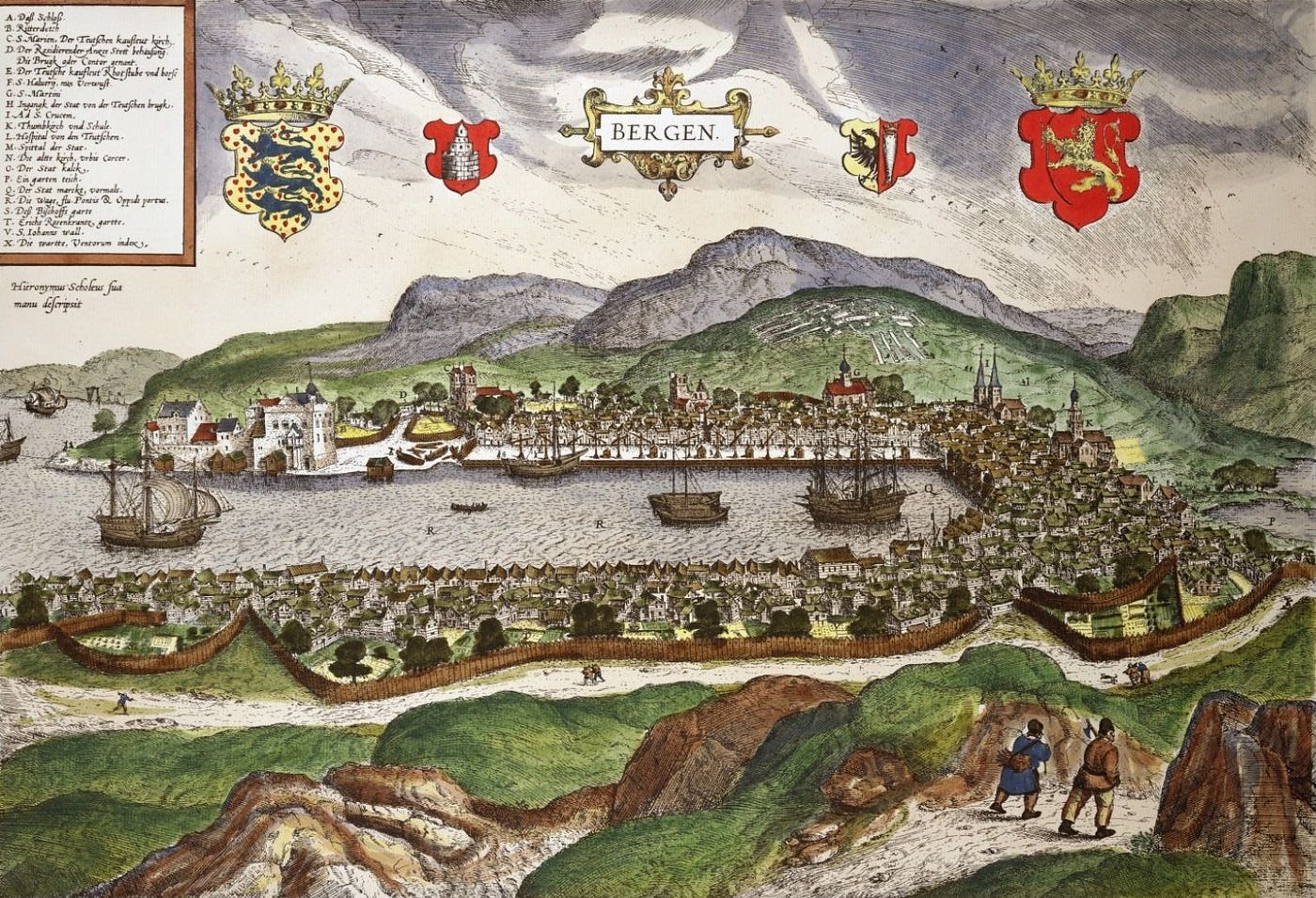
As the Viking age came to a close, and Norway was more united than ever, things were looking up for Norway. Widespread Christianization had happened, with most norsemen sharing the same religion, though civil wars did sprout from this. Later on, the golden age came, under King Haakon Haakonsson, Norway became very propserous and peaceful, and became even larger and more united with a large realm over Iceland and Greenland. Law and Society followed with King Magnus, who made a unified national law code, and pioneered further through Europe. Unfortunately, in the middle of the Middle Ages (see what I did there?) the black plague had spread out through Europe and to Norway. This killed 50% or more of the population, and much of their livestock was destroyed. This left Norway in near absolute ruin, and they united with Denmark and Sweden. but lost its independene and was put under the Oldenburg Dynasty.
Modernization and Unification
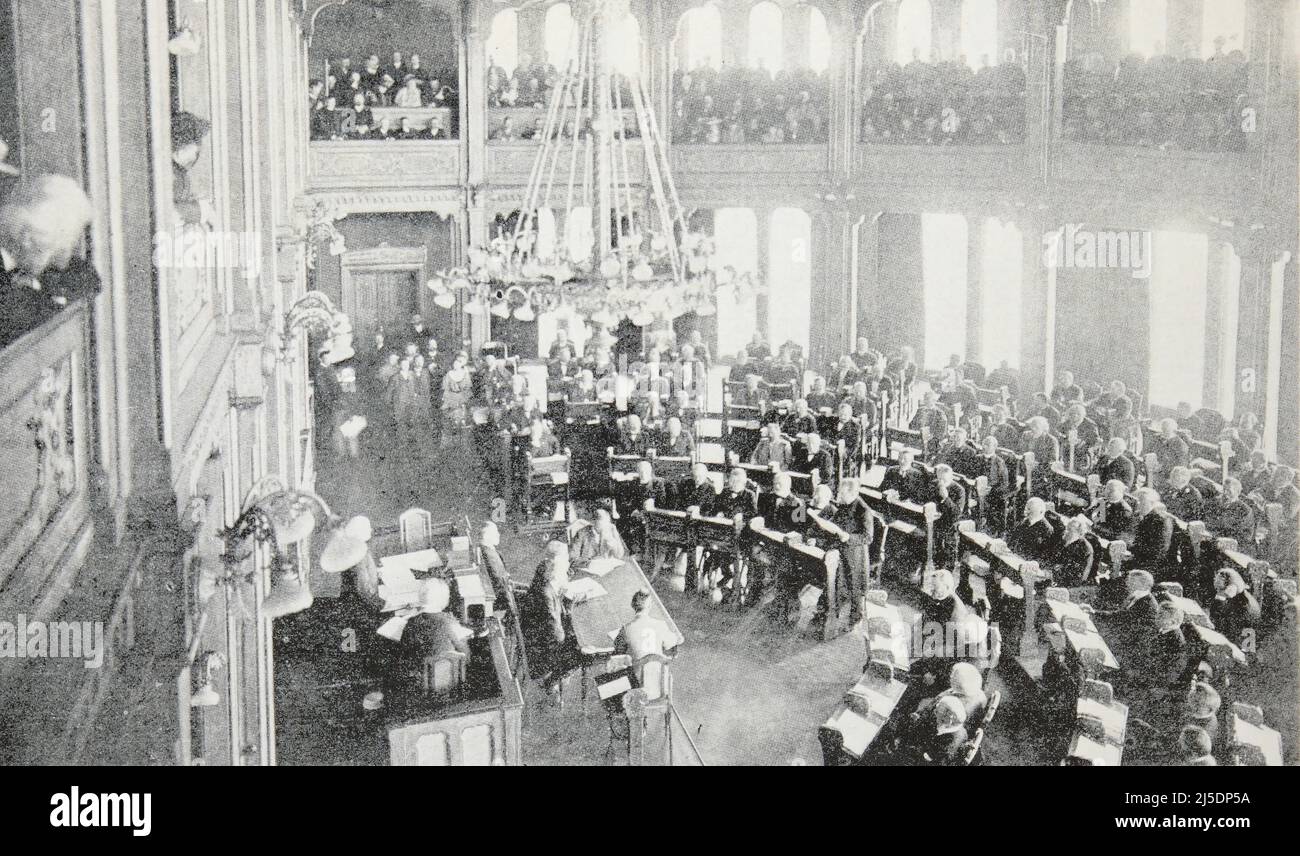
From 1905 to 1939, Norway ws in full independence from Sweden again, via a peaceful dissolution from the union, wth a 79% vote for their consitutional monarchy. Under king Haakon The seventh, there was rapid modernization, industrialization, and lots of hydroelectric dams constructed. Norway became properous, and strengthened their social democracy, up until World War 2, all thanks to diplomacy, Norway had the 14th largest merchant fleet, and had a strict neutrality in any wars.
Occupation by Germany, and Rebellion
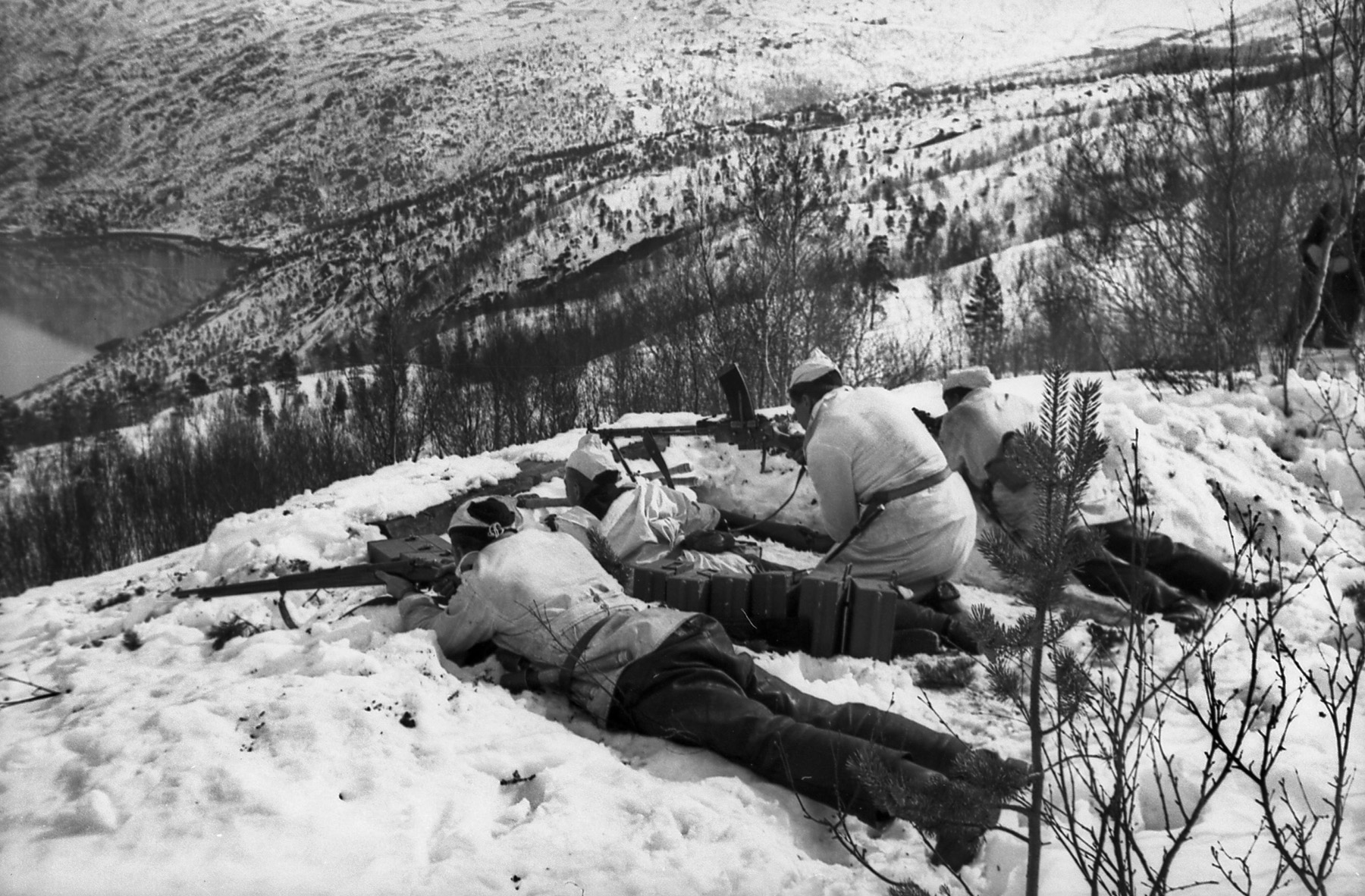
In World war 2, Germany on April 9, 1940 and to May 8, 1945, occupied Northern Norway, which was vital for ore resources and naval bases. Despite surprise attacks and bombardment, Southern Norway did not give in to the Nazi party, almost the entire population engaging in heavy resistance, managing to hold the German milityary back until the end of the war, gaining sovereignty again, getting the occupied land back.
1969-Present
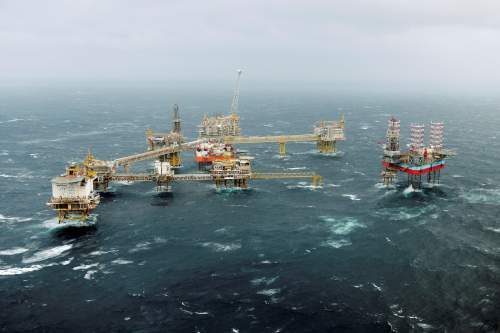
On Christmas Eve of 1969, while families were settling and enjoying the season, the men at Phillips Petroleum were getting to work, preparing for a big discovery. In the Norwegian North Sea, they drilled into the sea bed, of course searching for oil and found a huge strike of oil. They found huge oil deposits everywhere. What was surprising, was oil wells in Norway had already ran dry, and nothing was really found anywhere, so expectations were low. In 1971, the oil began to be used, and in 1972 Norway started Statoil, a state-owned company to drill in the Ekotisk field, the biggest group of oil deposits in the North Sea near Norway. This sent Norway into the stratosphere, turning it from a more quiet, neutral fishing country into an oil and fishing country, allowing for Norway to expand its other businesses and become the modern country it is today.